
01
Fragmented providers
Businesses often piece together numbers, SMS, voice, and data from multiple vendors, which creates operational gaps and inconsistent service quality.
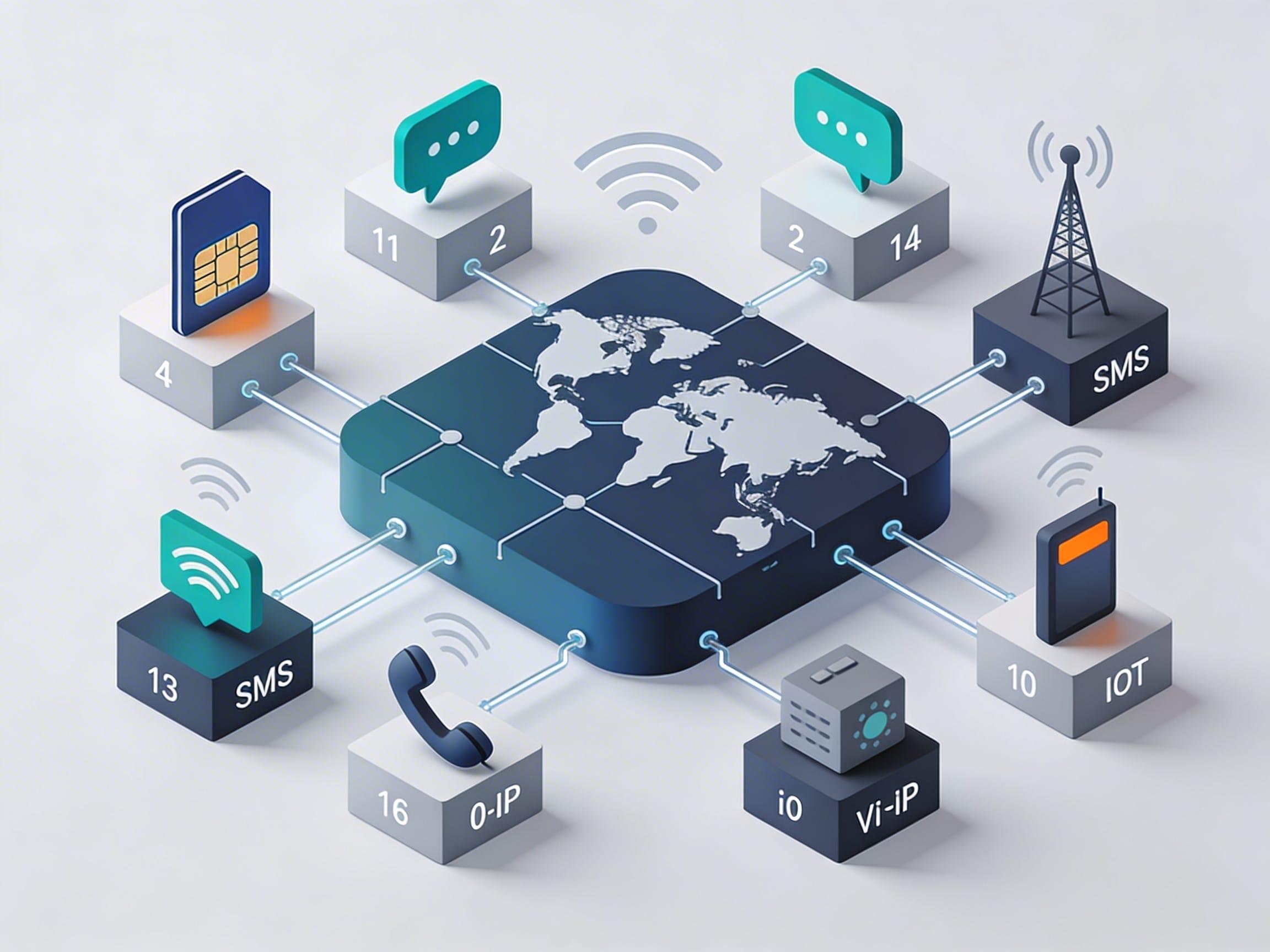
TeleNumbers provides virtual numbers, messaging, voice, and connectivity solutions for businesses that operate across markets. From SMS and VoIP to mobile data, network architecture, and IoT connectivity, the company helps teams build and scale reliable communication infrastructure.
Problem statement
Managing communication across providers creates complexity, routing risk, and inconsistent service quality across markets, traffic types, and operational teams.
TeleNumbers helps businesses consolidate telecom services into a more reliable model for numbers, messaging, voice, data, and network infrastructure. The objective is stable delivery, stronger routing control, and a service stack that can scale with the business instead of fragmenting further.
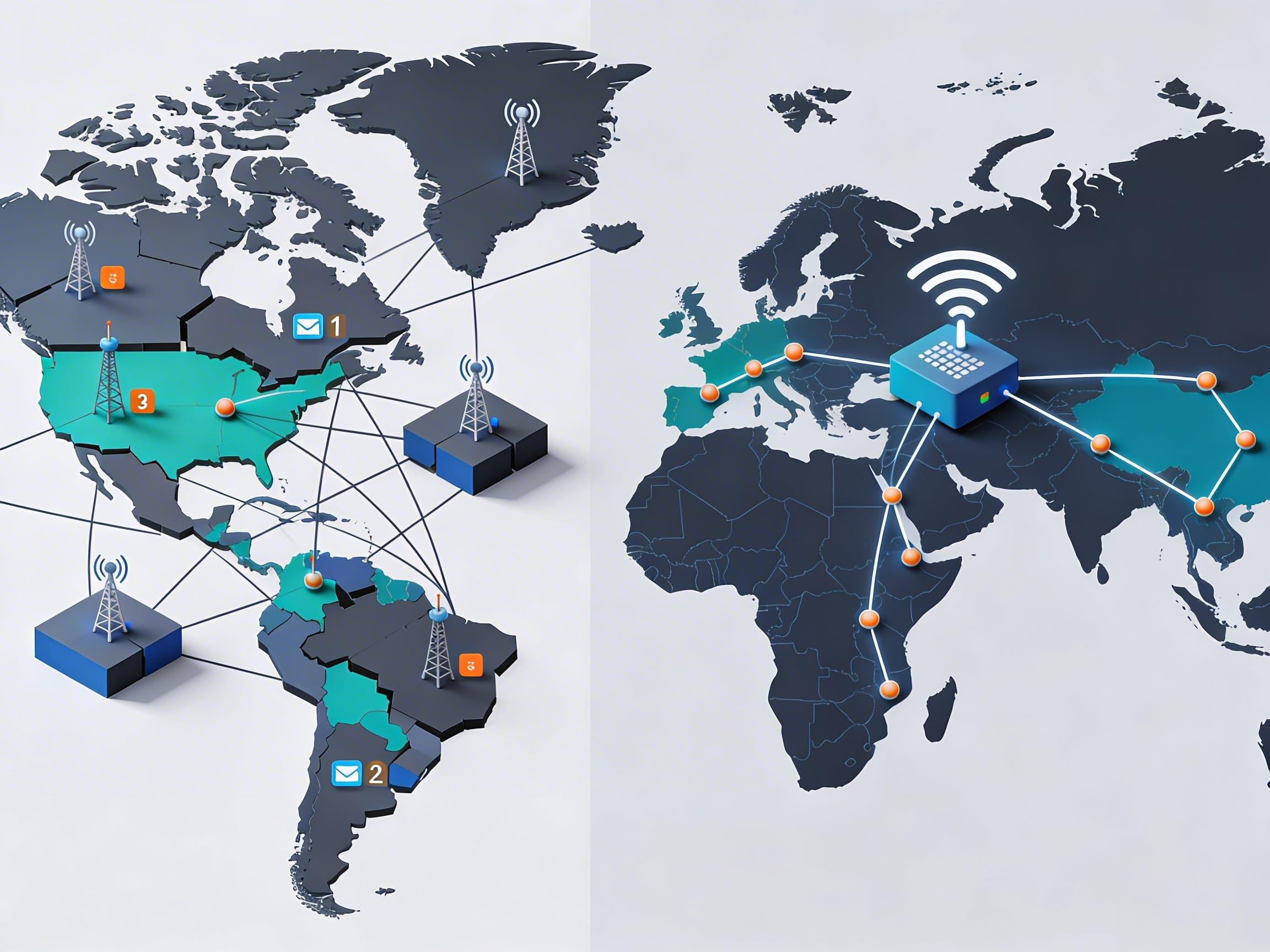
Businesses often piece together numbers, SMS, voice, and data from multiple vendors, which creates operational gaps and inconsistent service quality.
Messaging quality degrades when routing is opaque, carrier paths are indirect, or failover is not engineered for the actual traffic profile.
Number availability, country coverage, and local market access vary widely, especially when growth depends on multiple regions at once.
Communication infrastructure becomes harder to manage when APIs, provisioning, routing logic, and internal systems are not aligned from the start.
Without direct visibility into carriers, routes, and latency, teams cannot properly optimize cost, delivery speed, or call quality by geography.
Volume growth exposes weak infrastructure quickly, from failed OTP delivery to voice congestion and inconsistent data connectivity across markets.
What TeleNumbers provides
The core offering combines telecom services and infrastructure delivery so businesses can launch, operate, and expand communication capabilities without stitching together disconnected vendors.
Provision local, international, and DID numbers for inbound and outbound communication across the markets your business operates in.
Support A2P and P2P messaging with routing optimization, delivery controls, and infrastructure designed for business-critical traffic.
Run SIP and VoIP services with inbound and outbound call routing, quality-focused handling, and carrier-aware voice connectivity.
Deploy mobile data, IoT connectivity, and network access services that support devices, teams, and distributed operations.
Service stack
From provisioning and routing to voice, data, and network planning, the platform combines the core telecom services businesses need to operate across markets with fewer dependencies.
Access local, international, and DID inventory for product onboarding, support operations, inbound flows, and outbound communication across multiple regions.
Run A2P and P2P traffic with delivery-aware routing, API-based messaging workflows, and infrastructure built for consistent performance at scale.
Support SIP trunking, inbound and outbound voice, and call routing configurations that prioritize quality, control, and operational uptime.
Offer global SIM and eSIM connectivity, roaming-ready data services, and connectivity options for teams, devices, and distributed field operations.
Design wireless networks, LAN environments, and telecom infrastructure plans that match operational requirements instead of generic deployment templates.
Connect devices through reliable data paths, traffic controls, and network access models tailored to telemetry, field assets, and machine communication.
Improve routing quality, carrier selection, infrastructure design, and cost structure with telecom expertise grounded in network realities and delivery performance.
Why TeleNumbers
TeleNumbers operates as infrastructure-level telecom, not a thin reseller layer. The focus is routing quality, direct connectivity, coverage, and integration flexibility for real business operations.
Communication performance depends on the infrastructure underneath it. Number access, SMS delivery, call quality, data coverage, and integration speed are all shaped by carrier relationships, routing logic, and technical execution choices that many providers abstract away.
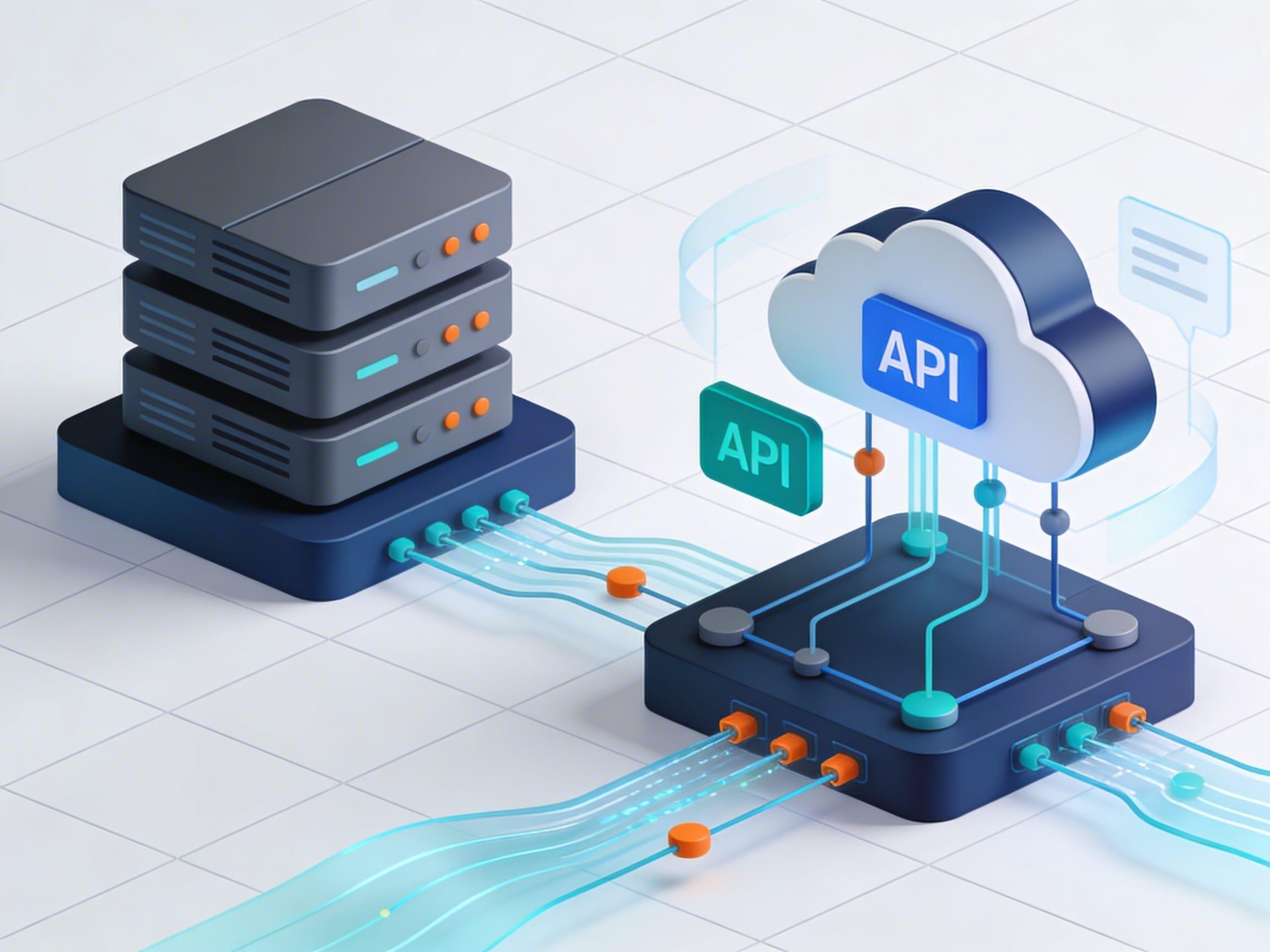
Carrier-connected infrastructure reduces dependence on opaque downstream chains and improves control over messaging, voice, and number availability.
Routing decisions are tuned around geography, traffic type, latency, and delivery goals instead of a one-route-fits-all approach.
Coverage across markets matters when businesses need numbers, messaging, voice, and data that remain dependable as they expand internationally.
High-value traffic such as OTP, notifications, support, and operational alerts needs infrastructure engineered for consistency, not just lower unit cost.
TeleNumbers supports platform and operational teams that need telecom services to fit existing applications, workflows, and internal systems cleanly.
The model combines infrastructure knowledge, routing awareness, and network planning rather than a simple reseller layer over third-party services.
Process
The process is designed for businesses that need telecom infrastructure set up correctly, integrated cleanly, and improved over time as usage expands.
Define countries, traffic types, number needs, voice flows, device coverage, integration points, and operational constraints.
Provision numbers, messaging access, voice connectivity, data services, and the network configuration required for launch readiness.
Connect APIs, routing logic, provisioning flows, and internal systems so telecom infrastructure fits the product and operations model.
Monitor delivery quality, routing behavior, latency, and coverage performance to improve reliability and commercial efficiency.
Expand into new regions, add services, increase throughput, and adapt routing strategy as volumes and business requirements grow.

Use cases
TeleNumbers supports companies that depend on communication infrastructure as an operational layer, not a marketing add-on.
The platform is suited to products and teams that need dependable numbers, high-quality messaging, voice services, or device connectivity across regions. That includes authentication flows, customer communications, support operations, and IoT deployments where reliability matters more than headline pricing.
Routing and provider strategy
Choosing telecom providers is not a simple yes-or-no decision. Delivery quality is shaped by routing, latency, geography, redundancy, and how well the infrastructure matches the business use case.
Deliverables
TeleNumbers provides telecom services and infrastructure access that teams can use operationally, not just evaluate conceptually.
Engagements can include number provisioning, messaging and voice capabilities, optimized routing, connectivity services, and the technical support needed to keep communication infrastructure performing as usage expands.
About TeleNumbers
The company provides and operates telecom services across messaging, voice, numbers, mobile data, and network-related connectivity for businesses that need dependable communication infrastructure.
TeleNumbers works with businesses that need reliable infrastructure for customer communication, authentication, voice operations, connected devices, and regional service expansion.
The emphasis is practical: provide the services, operate the infrastructure, connect the systems, and improve delivery quality over time.
FAQ
The questions teams usually ask before moving numbers, messaging, voice, or connectivity into a new infrastructure setup.
Final step
Talk to TeleNumbers about messaging quality, voice connectivity, number provisioning, mobile data, routing performance, or a broader multi-service setup. The conversation can start with your current requirements and the regions you need to support.